
Page at a glance
What you need to know before reading further.
A quick look at who this page is for, what it covers, and which official sources back it up.
Best for
What it helps you do
Core questions answered
- Which cities balance infrastructure, affordability, and lifestyle best?
- What legal-stay path and admin tasks matter most for remote workers?
- Which guides should readers open next if they are narrowing down options?
Official bodies in play
Related guides
Keep the research chain moving.
These pages cover closely related topics and are good next reads from here.
Best next steps
The most useful pages to read next based on where you are in the process.
Continue in Where to Live
More pages in the same section that go deeper on related questions.
Planning systems and printable versions
Printable guides and structured pathways that tie this topic into your wider move plan.
The answer first
Remote-work city choice is usually about connectivity, airport rhythm, everyday livability, and legal/admin fit all at once.
Remote workers are one of the fastest-growing groups making this move. They are often balancing flexibility with bureaucracy: temporary residency questions, RFC and banking follow-through, housing quality, and the simple need for work life not to feel constantly improvised.
| Compare this | What it means for remote workers | Why it matters |
|---|---|---|
| Connectivity | Internet reality, backup options, and whether a neighborhood or city makes reliable work feel easy or fragile. | Because one unstable workday can ruin your affection for a place very quickly. |
| Airport and travel rhythm | How painful arrivals, departures, and occasional work trips will feel in real life. | Because many remote workers are not fully static, even when they want a home base. |
| Daily workability | Noise, housing fit, neighborhood pace, errand convenience, and whether the city supports a sustainable weekday routine. | Because your city is basically your unchosen coworker. |
| Legal and admin fit | Temporary-residency logic, RFC questions, banking setup, and whether the city helps or complicates those tasks. | Because long-stay remote life gets more real when the paperwork starts. |
Strong remote-work comparison anchors
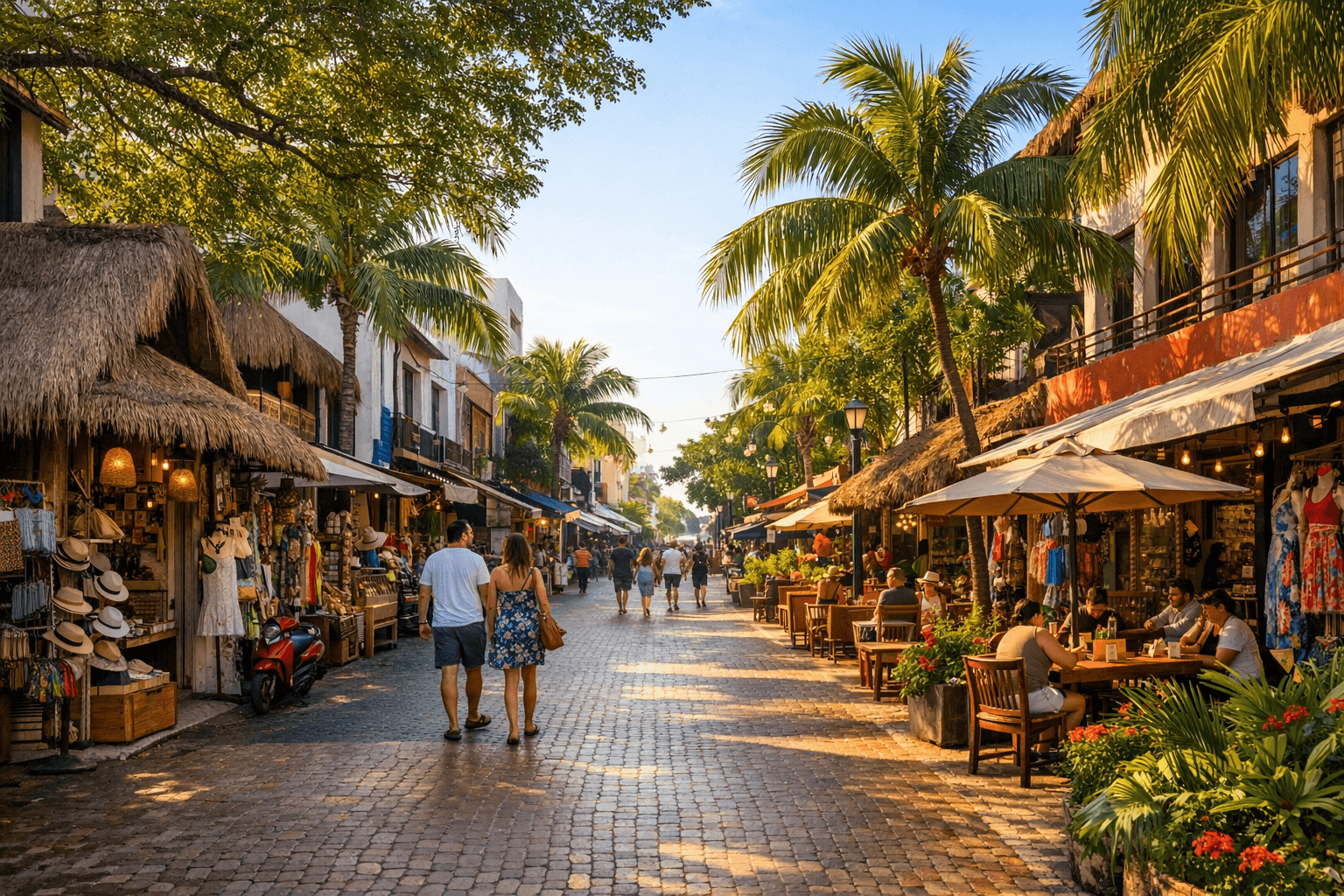
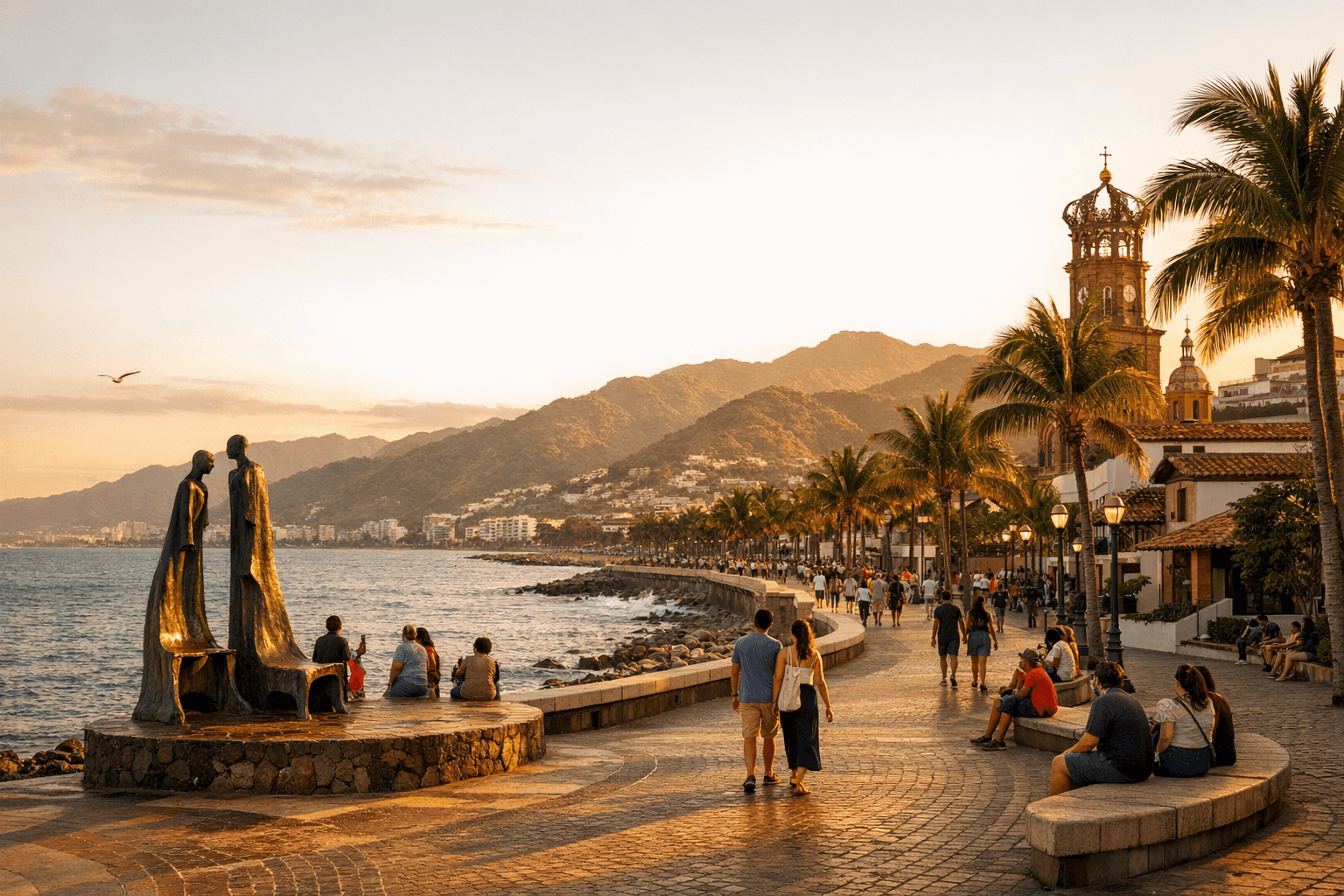
These cities keep showing up because they solve different remote-work problems well.



The part people skip
For remote workers, city choice and paperwork choice are not completely separate.
Which is annoying, but true.
Temporary residency often sits in the background of this whole decision
The residency product research specifically notes the temporary-resident path as the starting point for many remote workers and longer-stay planners. So if a city looks good but your legal-stay plan is still fuzzy, that is not a separate issue. It is part of the comparison.
RFC and banking eventually stop being optional background noise
The admin setup research is useful here because remote workers often assume they can solve tax identity and banking “later.” Later has a way of showing up fast once you actually live somewhere.
Questions that usually improve a remote-work shortlist
- Will this city still support my work on an ordinary weekday?
- How much airport convenience matters to me in practice, not in theory?
- Do I want big-city density or something calmer once the novelty wears off?
- If I start needing RFC, banking, or resident-status follow-through, will this place make that easier or just farther away?
Use these next
These pages are the best follow-up once the remote-work shortlist is getting serious.
Best next pages
Sources and research basis
What this page is built on
This page uses the remote-worker audience strategy in the site plan, then connects it back to the residency and first-90-days admin research that remote workers often underestimate early on.